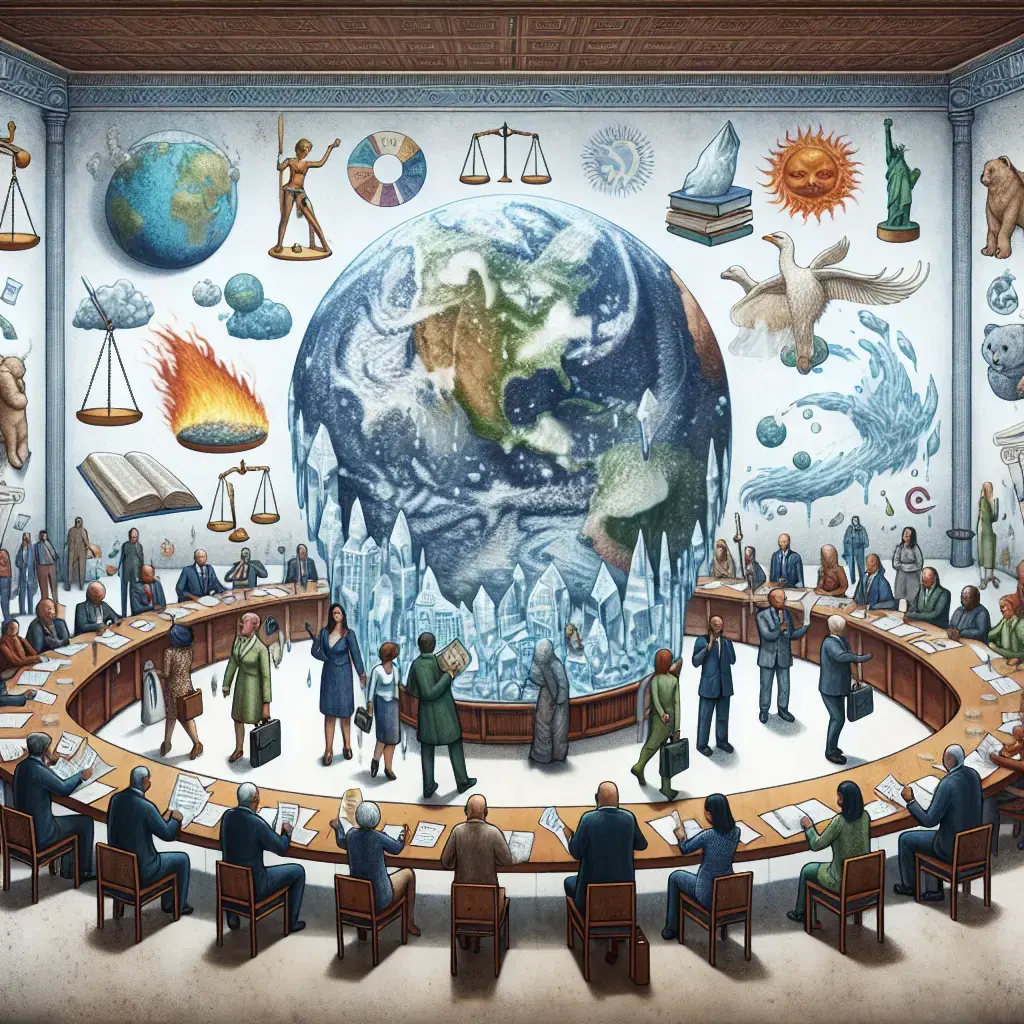
In today's interconnected world, the impact of climate change on international law and policy is becoming increasingly apparent. As global temperatures rise and environmental crises multiply, there is a pressing need to address the legal and regulatory frameworks that govern our shared response to these challenges. This dynamic intersection of environmental law, sustainable development law, and global governance is more crucial than ever in steering nations toward effective climate change solutions.
How International Law is Adapting to Global Warming
International law plays a critical role in shaping how countries respond to the challenges posed by global warming. With the ongoing evolution of climate policy, legal systems worldwide are tasked with incorporating new regulations and treaties that reflect our changing environmental landscape. For instance, recent developments in international environmental agreements have emphasized the necessity of integrating sustainability into legal frameworks (UNFCCC, 2023).
One key aspect of these legal adaptations is the development of binding climate change treaties. These agreements are instrumental in setting targets for emissions reductions, facilitating technological cooperation, and ensuring accountability among nations. For example, the Paris Agreement continues to serve as a foundation for many countries' climate strategies, despite its challenges (Climate Change News, 2024). Are these agreements sufficient to combat climate change effectively? As negotiations continue, the effectiveness of such treaties remains a central question.
Climate Justice and Its Role in Environmental Law
The concept of climate justice underscores the importance of addressing inequalities exacerbated by climate change. Vulnerable populations often bear the brunt of environmental degradation, making equitable resource distribution and responsibility-sharing essential components of any legal framework. The United Nations has called for stronger mechanisms to ensure that climate policies do not disproportionately impact marginalized communities (UN, 2024).
Sustainable development law intertwines with climate justice by promoting practices that balance economic growth with environmental preservation. An illustrative case is the debate over land use and energy production in Minnesota. As the state aims to be carbon-free by 2040, it faces dilemmas regarding what counts as renewable energy. This debate highlights the complexities of defining "carbon-free" while ensuring sustainable development (Minnesota Public Utilities Commission, 2024).
Challenges in Climate Change Adaptation Policies
Developing effective climate change adaptation policies is essential for enhancing resilience against environmental shifts. These policies are particularly vital in regions vulnerable to rising sea levels, extreme weather, and biodiversity loss. International law can aid adaptation by facilitating resource sharing and collaboration across borders.
Recent events have underscored the need for comprehensive adaptation strategies. The political turmoil in regions like Northern Territory illustrates the socio-political challenges intertwined with environmental issues (The Guardian, 2024). How can international frameworks support regions struggling with both political instability and climate impacts? This question remains pivotal as policymakers work toward integrated solutions.
Innovations in Climate Change Governance
The evolving landscape of climate change governance demands innovative approaches. Traditional legal structures often struggle to keep pace with rapid environmental changes. As such, new governance models are being explored to address these shortcomings.
For instance, international climate negotiations have become more inclusive, bringing diverse stakeholders to the table. This inclusivity fosters a broader range of perspectives and encourages innovative policy solutions. However, achieving consensus among varied interests remains a formidable challenge (IEA, 2024).
A recent example of innovative governance is seen in the realm of digital policy. The push for government IDs to access online content highlights how technology intersects with governance challenges (BBC News, 2024). Could similar digital frameworks be applied to monitor and enforce climate commitments?
Environmental Policy Changes and Legal Frameworks
The landscape of environmental policy changes is continuously evolving as nations strive to meet their climate obligations. These changes often require updates to existing legal frameworks or the creation of new laws that better align with contemporary challenges.
The story of VaccinateCA serves as a lesson in effective policy implementation during a crisis (Wired, 2022). Just as VaccinateCA brought order to a chaotic vaccine rollout through strategic coordination, climate policy can benefit from clear, coordinated efforts that prioritize transparency and accountability.
Moreover, the CLP's political journey in the Northern Territory showcases how shifts in power can influence environmental agendas (ABC News, 2024). Political will and leadership are crucial in driving policy changes and ensuring that legal frameworks support sustainable outcomes.
Conclusion: Navigating the Future of Climate Law and Policy
The intersection of climate change and international law presents both challenges and opportunities that demand our attention. As we've explored, the evolving legal landscape is crucial in shaping effective responses to global warming. Key points include:
International Law Adaptation: The role of binding climate change treaties like the Paris Agreement remains pivotal, though their effectiveness continues to be scrutinized. These agreements set emission targets and facilitate technological cooperation.
Climate Justice: Addressing inequalities exacerbated by environmental impacts is vital. Equitable resource distribution and responsibility-sharing are essential in ensuring marginalized communities are protected under international law.
Adaptation Policies: Effective climate change adaptation strategies are necessary, particularly for vulnerable regions. International frameworks must support these areas by promoting resource sharing and collaboration.
Innovative Governance: New governance models are needed to keep pace with environmental changes. Inclusivity in international negotiations and the integration of digital frameworks can enhance policy enforcement.
Environmental Policy Evolution: As nations strive to meet climate obligations, updating legal frameworks is critical. Lessons from crisis management, like the VaccinateCA initiative, highlight the importance of coordinated and transparent policy efforts.
Looking ahead, harmonizing international law with climate action involves integrating environmental considerations into all policymaking areas and fostering cross-sector collaboration. Encouraging public participation can also enhance policy effectiveness, ensuring diverse voices shape future legal frameworks.
As we continue navigating this complex landscape, let us commit to fostering meaningful change through collaboration and innovation. Your insights and experiences on this topic are invaluable—share your thoughts or engage in discussions about the role of law in combating climate change.
Together, we can build a sustainable future that honors our planet and its people.
Author: Anonymous Blogger
For further reading on these topics, consider exploring reputable sources such as UNFCCC, Climate Change News, and IEA. These platforms provide valuable insights into ongoing efforts to address the legal implications of climate change at an international level.
This section integrates diverse news contexts while remaining focused on the core topic: the interplay between climate change and international law. It emphasizes current challenges and opportunities for professionals engaged in this evolving field.